The video game industry never stands still , but 2026 feels different. Between AI-generated worlds, the resurgence of handheld gaming, and new monetization battles, the landscape is shifting faster than a speedrunner's fingers. If you want to stay ahead of the curve, here's what's actually driving the future of gaming this year.
💡 Takeaway
The gaming trends of 2026 are defined by smarter AI, more accessible hardware, and a player-first cultural shift that's forcing developers to rethink everything.
1. AI Is No Longer a Buzzword , It's the Engine
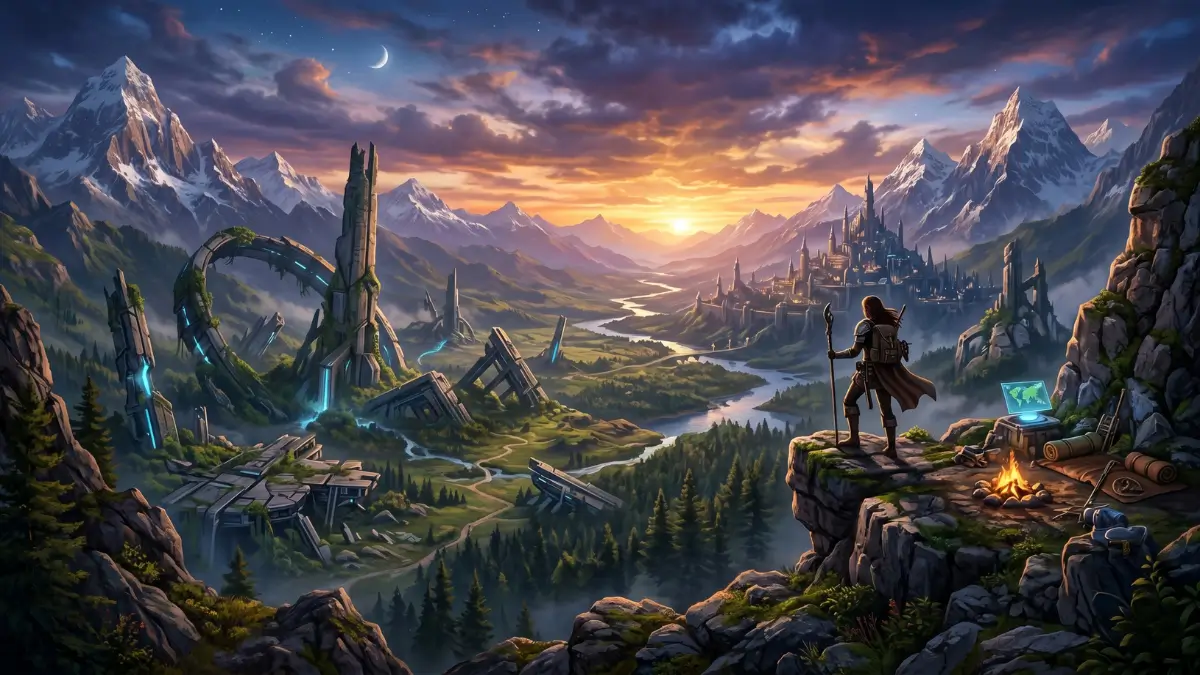
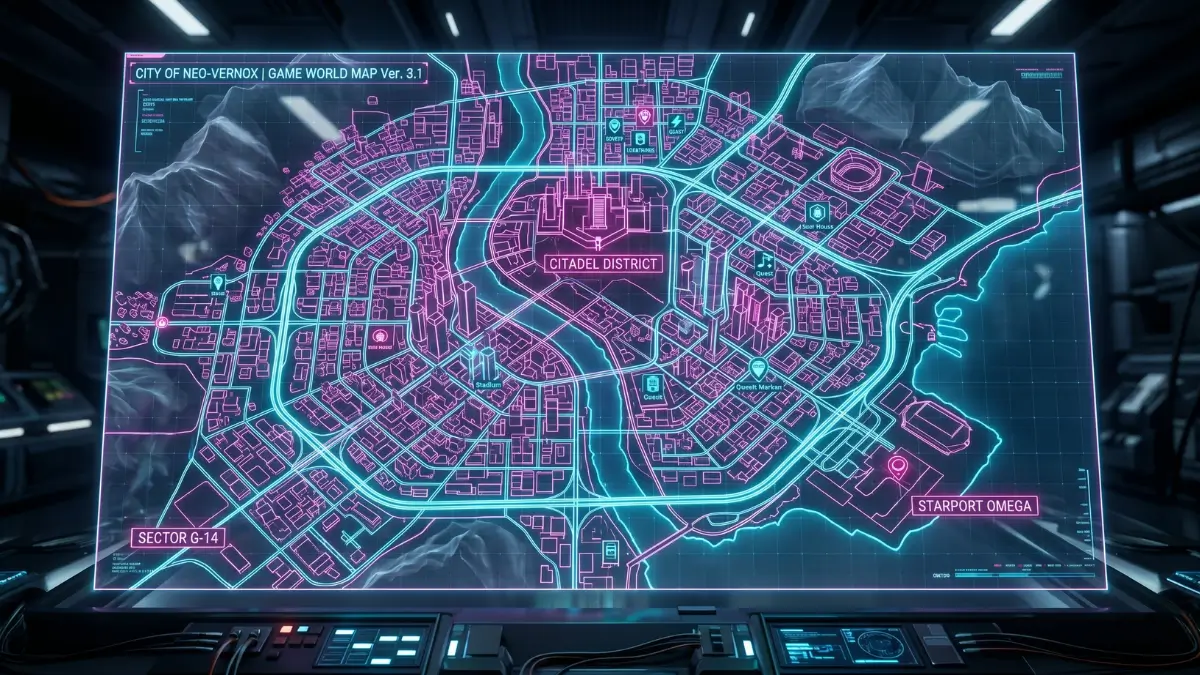
Artificial intelligence has graduated from marketing fluff to genuine game-changer. In 2026, studios are deploying AI not just for NPC behavior, but for dynamic world-building, adaptive difficulty, and real-time content generation.
What This Looks Like in Practice
- Procedural storytelling: Games like upcoming open-world RPGs are using AI to generate side quests, dialogue trees, and lore that respond to individual player choices , no two playthroughs are identical.
- Smarter enemies: Enemy AI now learns from your playstyle across sessions, meaning your go-to tactics stop working mid-campaign.
- Accessibility tools: AI-driven subtitles, auto-difficulty adjustments, and controller remapping are making games genuinely inclusive for the first time.
This isn't a distant promise. It's shipping in titles right now, and it's one of the most significant video game trends to watch closely.
2. The Handheld Renaissance Is Real
The Nintendo Switch effect never faded , it evolved. In 2026, handheld and hybrid gaming is booming, with competitors finally delivering hardware worth talking about.
The Steam Deck ecosystem has matured significantly, PC gaming handhelds from multiple manufacturers are fighting for shelf space, and rumors around next-generation portable hardware from major console makers are reaching fever pitch. Portable gaming isn't a compromise anymore. For a growing segment of players, it's the preferred format.
Why This Matters for the Industry
The rise of handheld gaming is forcing developers to rethink performance budgets, UI design, and session lengths. Games built for 90-minute metro commutes are structurally different from living-room epics , and smart studios are designing for both.
3. The Subscription War Is Entering Its Decisive Phase
Game Pass, PlayStation Plus, and a dozen smaller services have been circling each other for years. In 2026, the consolidation is beginning.
Smaller subscription platforms are struggling to compete on library size, while the giants are doubling down on day-one exclusives and cloud streaming quality. For players, this means better value , eventually. For the gaming industry in 2026, it means fewer but more powerful gatekeepers controlling what gets funded and what gets played.
For gamers trying to navigate this shifting landscape, platforms like ProGameer , a professional hub for gaming news, instant browser-based games, and real-time market trend coverage , offer an independent perspective that cuts through the corporate noise. It's the kind of resource that matters when everyone else has a subscription to sell you.
4. Player-First Culture Is Pushing Back Against Predatory Monetization
Here's the trend that doesn't get enough column inches: players are organizing, and it's working.
The backlash against aggressive microtransactions, battle passes with 150 tiers, and $70 base games with paid DLC on day one has moved from Reddit threads to genuine market pressure. Several high-profile titles in late 2025 reversed monetization decisions after launch following coordinated player pushback , a pattern that's accelerating into 2026.
What Developers Are Actually Doing
- Offering cosmetics-only monetization in competitive titles
- Releasing full DLC roadmaps before launch to build trust
- Experimenting with one-time purchase models for single-player experiences
The future of gaming isn't free-to-play-everything. There's a real market for fair, transparent pricing , and the developers who figure that out first are winning.
Conclusion: Adapt or Get Left Behind
The gaming trends shaping 2026 aren't isolated , they're interconnected. AI is enabling richer worlds. Handheld hardware is expanding who plays. Subscription services are restructuring the entire business model. And players, more informed and more vocal than ever, are holding the industry accountable in real time.
The developers, publishers, and platforms that treat these shifts as opportunities rather than threats are the ones building the games we'll be talking about for years.
🚀 Bottom Line: Gaming in 2026 is smarter, more portable, more contested, and more player-driven than any point in the industry's history , and the best is still to come.
References
- IGN , The State of Gaming 2026: Trends, Hardware, and What's Next
- GamesRadar+ , Gaming Industry Trends to Watch in 2026
- TechCrunch , How AI is Transforming Game Development